
A pitch-ready landing page is more than a digital brochure—it’s a decision-making tool. Whether you’re pitching investors, onboarding early users, or validating a product, your landing page must communicate value quickly, build trust instantly, and guide visitors toward a clear next step.
In an attention-limited, AI-assisted world, you often have seconds to make an impression. This article breaks down how to design a landing page that’s not only pitch-ready but built to convert.
What Makes a Landing Page “Pitch-Ready”?
A pitch-ready landing page answers three questions immediately:
- What do you do?
- Who is it for?
- Why does it matter now?
If visitors can’t answer these within the first few seconds, you’ve likely lost them.
Pitch-ready pages prioritize:
- Clarity over cleverness
- Value over features
- Action over explanation
1. Start with a Clear, Outcome-Driven Headline
Your headline is the pitch.
It’s the very first promise you make to your audience. It should instantly communicate the core benefit or outcome you deliver, not merely state a product name, feature, or piece of technology. A strong headline answers the reader’s unspoken question: “Why should I care?” and invites them to keep reading.
Good headlines focus on:
- The problem you solve
- The outcome you deliver
- The audience you serve
Avoid buzzwords. Precision builds trust.
2. Use a Subheadline to Add Context
Your subheadline supports the headline by explaining:
- How your solution works (at a high level)
- What makes it different
- Why it’s relevant right now
This is where clarity reinforces credibility.
3. Design a Strong Visual Hierarchy
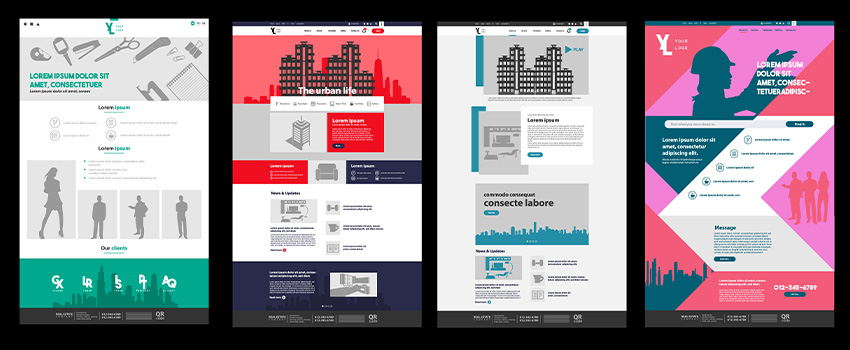
A pitch-ready landing page guides the eye effortlessly.
Key principles:
- One primary call-to-action (CTA)
- Clear spacing and contrast
- Short sections with focused messages
- Visual cues that lead users downward
Design should support the story—not distract from it.
4. Focus on the Problem Before the Product
Visitors care about their pain before your solution. They are looking to feel understood first—to see their challenges, frustrations, or unmet needs clearly reflected back to them.
When you address the problem in their language before presenting your solution, you build trust, relevance, and a natural reason for them to keep engaging.
Effective landing pages:
- Clearly define the problem
- Show understanding of the audience
- Frame the product as the natural solution
This creates emotional alignment and trust.
5. Highlight Value, Not Just Features
Features explain what your product does.
Value explains why it matters.
Translate features into:
- Time saved
- Costs reduced
- Revenue increased
- Risk minimized
If the value isn’t obvious, conversion won’t happen.
6. Build Trust with Proof Signals
Especially for startups and early-stage products, trust is essential. Without an established reputation or long track record, credibility must be built through clarity, transparency, and empathy.
When people feel confident that you understand their problem and can deliver on your promise, they’re far more willing to take the first step with you.
Include:
- Client or user logos (if available)
- Testimonials or early feedback
- Metrics or traction indicators
- Media mentions or partnerships
Even small proof points can significantly boost credibility.
7. Make Your Call-to-Action Clear and Low-Friction
Your CTA should feel like a natural next step, not a commitment trap.
Examples:
- Request a demo
- Join the waitlist
- Get early access
- Book a call
Use action-oriented language and place CTAs strategically throughout the page.
8. Optimize for Speed and Simplicity
Pitch-ready pages must load fast and work flawlessly on all devices. Performance and usability directly shape first impressions—slow load times or broken layouts instantly erode credibility. A seamless experience across desktop, tablet, and mobile signals professionalism, reliability, and respect for the user’s time.
Prioritize:
- Fast load times
- Mobile responsiveness
- Clean code and minimal distractions
A slow or cluttered page undermines even the best pitch.
9. Design for Iteration and Feedback
Your landing page is not static—it’s a living asset.
Track:
- Engagement
- Scroll depth
- Conversion rates
- User behavior
Use insights to refine messaging, layout, and CTAs continuously.
Conclusion: How Web Dominance Can Help
Designing a pitch-ready landing page requires more than good design—it demands strategy, clarity, and conversion expertise.
Web Dominance helps startups and growing businesses create high-performing landing pages that combine compelling messaging, strong visual design, and conversion-focused structure. By aligning brand storytelling, UX, and performance optimization, Web Dominance ensures your landing page doesn’t just look good—it supports your pitch, builds trust, and drives real action.
When every visit counts, having the right digital partner makes all the difference.