

Digital marketing is always changing. Trends shift, algorithms update, and consumer behavior evolves.
A well-structured roadmap gives direction, sets measurable goals, aligns marketing with business priorities, and helps use resources wisely. Without one, businesses often face scattered campaigns, wasted budgets, and missed opportunities.
This guide walks through how to build a practical 12-month digital marketing roadmap step by step, covering strategy, content, channels, and performance measurement for today’s digital landscape.
Why Your Business Needs a Digital Marketing Roadmap
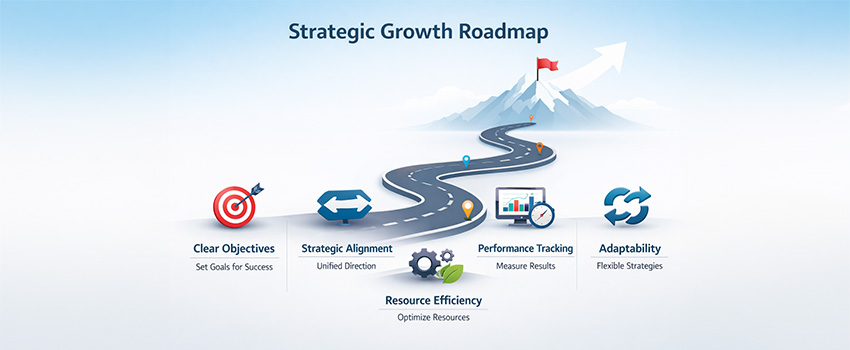
A roadmap is more than just a calendar of posts or ads. It’s a strategic blueprint for growth. The key benefits include:
- Clear Objectives: Defines what your business wants to achieve.
- Strategic Alignment: Aligns marketing initiatives with overall business goals.
- Resource Efficiency: Helps allocate budget, tools, and team effort effectively.
- Performance Tracking: Sets measurable KPIs to monitor progress.
- Adaptability: Prepares your team to adapt quickly to industry changes.
In Armenia, where digital adoption is rapidly growing, a roadmap ensures your business stays ahead of competitors online.
Step 1: Audit Your Current Digital Marketing Efforts
Before planning the next 12 months, understand your current state. A thorough audit helps identify strengths, weaknesses, and opportunities.
Audit Key Areas
- Website Performance
- Check speed, mobile-friendliness, UX, and conversion rates.
- Tools: Google PageSpeed Insights, Hotjar, SEMrush.
- SEO Audit
- Evaluate on-page SEO, backlinks, technical issues, and keyword performance.
- Identify content gaps.
- Content Audit
- Review existing blogs, videos, and social media content.
- Determine what drives traffic, engagement, and leads.
- Social Media Audit
- Analyze engagement, reach, posting frequency, and audience demographics.
- Paid Advertising Audit
- Review Google Ads, Facebook Ads, and other PPC campaigns.
- Check ROAS (Return on Ad Spend) and cost per conversion.
- Email & Automation Audit
- Evaluate open rates, click-through rates, and automation workflows.
Document your findings and prioritize areas for improvement.
Step 2: Define Your Goals and KPIs
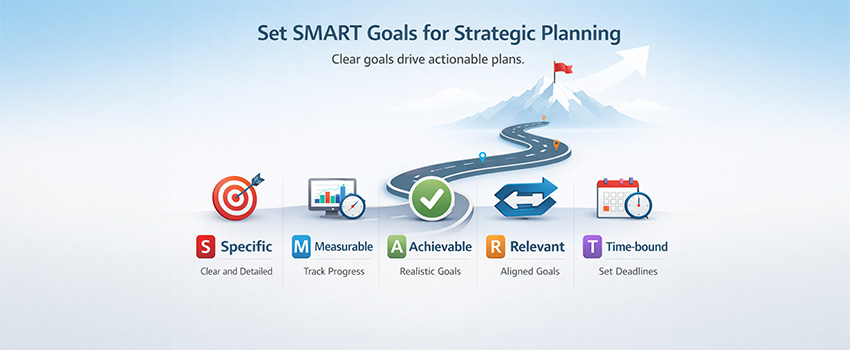
Clear goals drive actionable plans. Use the SMART framework:
- Specific: Increase organic traffic by 30%.
- Measurable: Track via Google Analytics.
- Achievable: Consider resources and budget.
- Relevant: Align with business objectives (sales, leads, brand awareness).
- Time-bound: Achieve within 12 months.
Common Digital Marketing Goals for Armenian Businesses
- Increase website traffic by 25–50%
- Generate qualified leads through social media
- Boost online sales by 15–30%
- Improve brand awareness and engagement
- Optimize ad campaigns for higher ROI
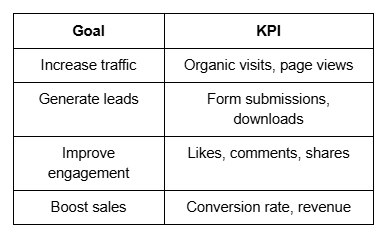
Set KPIs for each goal:
Step 3: Identify Your Target Audience
Understanding your audience ensures every campaign resonates.
Steps to Define Audience
- Create Buyer Personas: Include demographics, interests, online behavior, and pain points.
- Analyze Current Customers: Identify patterns in top clients or high-converting leads.
- Segment Your Audience: Group by industry, location, behavior, or engagement level.
Example: A café in Yerevan may target:
- Young professionals (20–35) for weekday specials
- Families for weekend promotions
Step 4: Map the Customer Journey
A digital marketing roadmap should address all stages of the customer journey:
- Awareness
- Channels: Social media, SEO, content marketing
- Goal: Attract attention and educate users
- Consideration
- Channels: Email marketing, retargeting ads, webinars
- Goal: Build trust and highlight your value proposition
- Conversion
- Channels: Website, landing pages, PPC campaigns
- Goal: Turn prospects into paying customers
- Retention
- Channels: Email newsletters, loyalty programs, social media engagement
- Goal: Retain customers and encourage repeat purchases
Step 5: Choose Your Marketing Channels
Select channels based on audience behavior and ROI potential.
Recommended Channels for Armenian Businesses
- SEO: Organic traffic is growing; invest in local SEO.
- Social Media: Facebook, Instagram, TikTok, and LinkedIn depending on audience.
- Paid Ads: Google Ads, Facebook Ads, and Instagram Ads for lead generation.
- Email Marketing: Personalized campaigns for nurturing leads.
- Content Marketing: Blogs, videos, infographics, guides, and webinars.
- Affiliate or Influencer Marketing: Partner with local influencers to increase brand reach.
For each channel, decide how it contributes to your 12-month roadmap.
Step 6: Plan Content & Campaigns
Content drives engagement, traffic, and conversions. A content plan keeps your team organized.
Steps to Create a Content Calendar
- List Topics and Keywords: Use SEO tools to identify high-demand topics.
- Assign Formats: Blog posts, social posts, videos, newsletters.
- Schedule: Monthly or weekly content schedules for consistent publishing.
- Plan Campaigns Around Events: Local holidays, industry events, product launches.
Example:
- February: Valentine’s Day promotion campaign on Instagram
- June: Summer sale email marketing campaign
- November: Black Friday PPC campaign
Step 7: Set Budget and Allocate Resources
A 12-month roadmap must include budgets for:
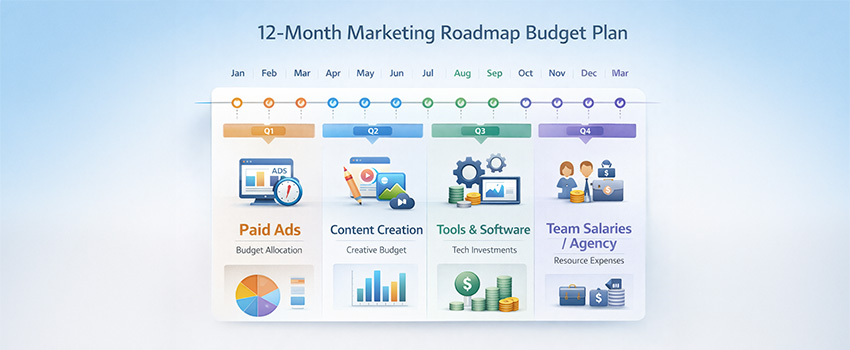
- Paid ads
- Content creation
- Tools and software
- Team salaries or agency costs
Track ROI to adjust spend throughout the year.
Step 8: Implement Tracking & Analytics
Monitoring performance is critical for success.
Tools to Track Performance
- Google Analytics: Website traffic and conversions
- Google Search Console: SEO performance
- Facebook/Instagram Insights: Social engagement
- Hotjar or Crazy Egg: Heatmaps and user behavior
- CRM Systems: Lead management and sales tracking
Regular reporting ensures you can tweak campaigns for better results.
Step 9: Review & Optimize Quarterly
A 12-month roadmap is not static. Review performance every 3 months:
- Assess which channels and campaigns are performing
- Identify gaps and opportunities
- Optimize content, ads, and targeting
- Adjust the roadmap to reflect new trends or business priorities
This ensures your marketing remains agile and effective.
Step 10: Future-Proof Your Roadmap
Stay ahead by considering:
- AI Tools for Marketing Automation (content creation, chatbots, analytics)
- Voice and Visual Search Optimization for local SEO in Armenia
- Video Content on TikTok, YouTube, and Instagram
- Personalization and CRM Automation to improve conversions
Web Dominance uses the latest tools and strategies to help businesses build actionable 12-month roadmaps that adapt to market changes and maximize ROI.
Conclusion
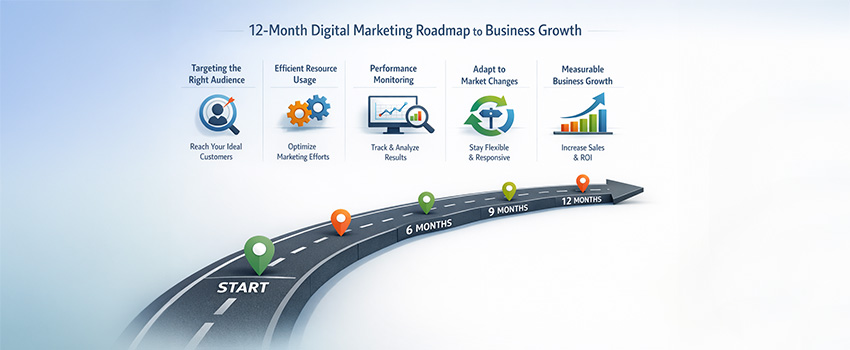
Building a digital marketing roadmap for the next 12 months ensures your business:
- Targets the right audience
- Uses resources efficiently
- Monitors performance effectively
- Adapts to market changes
- Achieves measurable business growth
With a strategic roadmap in place, Armenian businesses can confidently navigate the evolving digital landscape, increase brand visibility, and generate sustainable leads and sales.
A clear plan combined with expert execution — like the services offered by Web Dominance — transforms your marketing from reactive to proactive, positioning your business for long-term success.