

Businesses can improve their visibility in AI search by publishing clear, well-structured, accurate content, building topical authority, demonstrating real expertise, strengthening their brand entity, and making important information easy for AI systems to understand and verify.
The goal is not to “rank in ChatGPT” or optimize for one AI platform. AI search visibility comes from building a website that search engines, AI systems, and users can easily understand, trust, and reference.
What Does AI Search Visibility Mean?
AI search visibility means your business, brand, products, services, or content can appear in answers generated by AI-powered search experiences.
This can include:
- AI-generated answers in search engines
- AI assistants that recommend products, services, or companies
- Answer engines that summarize information from multiple sources
- Conversational search experiences
- AI systems that cite, mention, or use your website as a source
Unlike traditional search, where the main objective may be earning a high position for a keyword, AI visibility is often about becoming a reliable source of information that can be understood and included in an answer.
That does not mean traditional SEO is no longer important. Strong technical SEO, crawlable pages, useful content, clear internal linking, and authority still create the foundation.
For businesses that want to improve both traditional and AI-driven visibility, our SEO services can help build that foundation.
How Do AI Systems Find Information?

AI systems can use information from multiple sources depending on the platform and how it generates answers. These may include search indexes, crawled web pages, structured data, authoritative publications, business listings, knowledge databases, and other publicly available sources.
This means your website should make important information easy to find.
For example, if someone asks:
“What services does this company provide?”
Your website should not force an AI system—or a human visitor—to interpret vague marketing language.
Instead, clearly explain:
- What you do
- Who you help
- Which problems you solve
- Where you operate
- What services you provide
- Why your company is qualified to provide them
The clearer the information, the easier it is for machines to identify the meaning and relationship between different pieces of content.
Why Clear Content Matters
AI systems need context.
A page filled with generic statements such as “We deliver innovative digital solutions that drive success” provides very little useful information.
Compare that with:
“Web Dominance provides SEO, content marketing, PPC, and digital marketing strategy services to help businesses improve search visibility, attract qualified traffic, and generate more leads.”
The second version gives both users and machines clearer signals about the company and its services.
Make your content easier to understand by:
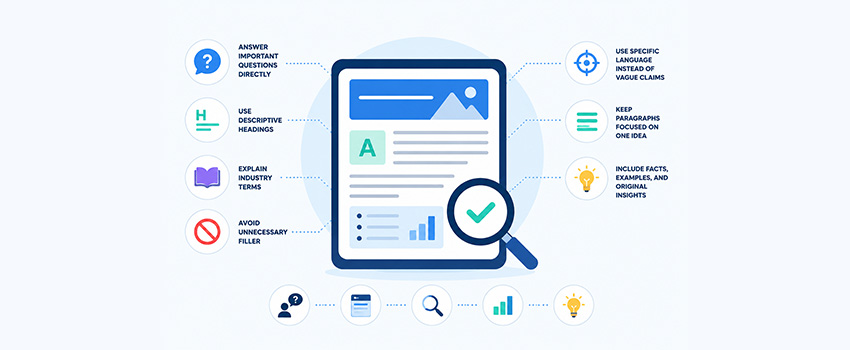
- Answering important questions directly
- Using descriptive headings
- Explaining industry terms when necessary
- Avoiding unnecessary filler
- Using specific language instead of vague claims
- Keeping paragraphs focused on one idea
- Including facts, examples, and original insights
This approach is also important for content marketing. Good content should not exist simply to target a keyword. It should help users and AI systems understand a topic.
Build a Recognizable Brand Entity
An entity is a clearly identifiable thing, such as a company, person, product, location, or organization.
For AI systems, it is useful when your brand is consistently associated with clear information.
Your website should establish:
- Your official brand name
- Your services
- Your industry
- Your areas of expertise
- Your location or markets
- Important people or experts connected to the business
- Relevant products, methodologies, or proprietary concepts
Consistency matters.
If your company describes itself differently across its website, social profiles, directories, and third-party publications, it becomes more difficult to build a clear and consistent digital identity.
Think of entity optimization as answering one simple question:
When an AI system sees your brand name, does it clearly understand who you are and what you are known for?
Brand Mentions Matter
Links remain valuable, but AI visibility is not only about backlinks.
Mentions of your brand across relevant and trustworthy websites can also strengthen your overall digital presence.
For example, your brand may be mentioned in:
- Industry publications
- Expert articles
- Podcasts
- Event websites
- Partner websites
- Case studies
- Reviews
- Professional directories
- Original research or reports
The important factor is relevance and credibility—not simply collecting as many mentions as possible.
A strong brand presence helps create connections between your company and the topics, industries, products, or services you want to be known for.
For example, if a digital marketing agency consistently publishes useful research and is referenced in discussions about SEO, content strategy, and AI search optimization, those associations can help strengthen its topical identity.
Use Structured Content
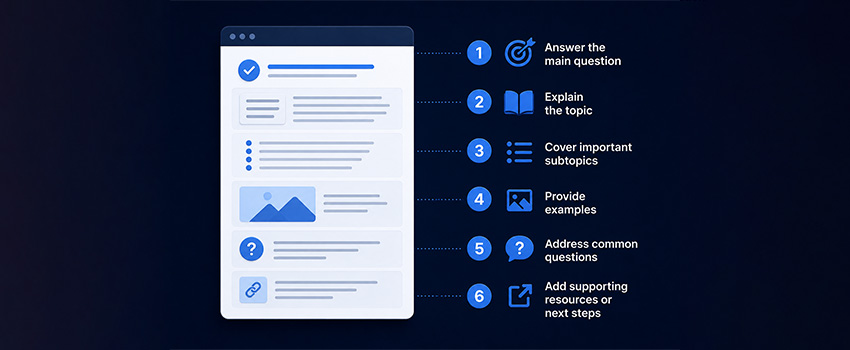
Well-organized content is easier for both people and machines to process.
A strong article structure might look like this:
- Answer the main question
- Explain the topic
- Cover important subtopics
- Provide examples
- Address common questions
- Add supporting resources or next steps
Use:
- Clear H1 and H2 headings
- Lists when they improve readability
- Tables for genuine comparisons
- FAQ sections when they answer real questions
- Descriptive internal links
- Structured data where appropriate
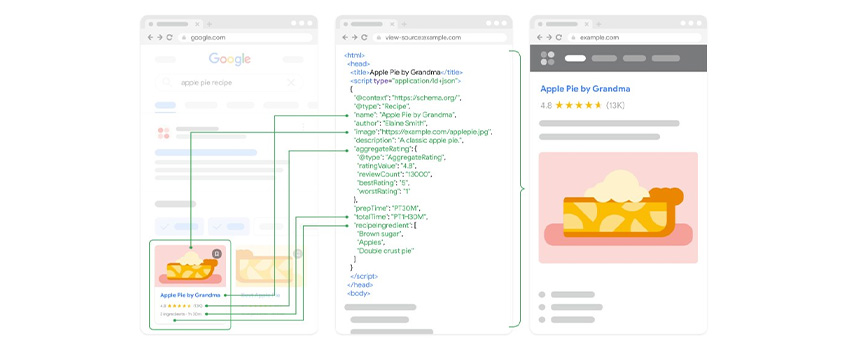
Structured data can provide additional context about a page, organization, product, article, event, or other entity. Google’s Structured Data documentation is a useful reference for understanding how structured data helps search engines interpret page information.
However, schema alone will not make weak content authoritative. Structured data should support accurate, useful content and not replace it.
Build Topical Authority, Not Random Traffic
Publishing articles about unrelated topics can make it harder to establish what your website is genuinely knowledgeable about.
Instead, build topic clusters around the services and areas where your business has real expertise.
For a digital marketing website, this could include connected topics such as:
- SEO
- Technical SEO
- Content strategy
- Content marketing
- Answer Engine Optimization
- AI search
- Conversion optimization
- PPC
- Brand visibility
Each article should contribute to a larger knowledge ecosystem.
For example, an article about AI search visibility can link to:
- SEO service pages
- Content marketing services
- AEO-related articles
- Technical SEO content
- Articles about structured data
- Articles about content strategy
These internal links help users discover related information while also creating clearer relationships between pages.
The goal is not to create hundreds of articles that repeat the same information. The goal is to cover a topic thoroughly from different useful angles.
Demonstrate Trust and Real Expertise
The Shift From SEO to AI Visibility
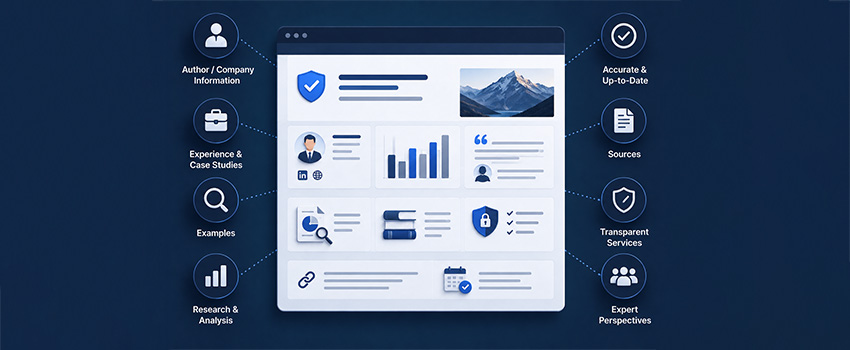
AI-generated answers can be influenced by the quality and reliability of the information available to them. That makes trust signals increasingly important.
Your website should demonstrate why readers should believe you.
Include:
- Clear author or company information
- Real experience and case studies
- Specific examples
- Original research or analysis
- Accurate and up-to-date information
- Sources for factual claims
- Transparent service information
- Expert perspectives where relevant
Avoid publishing generic articles that could apply to any business in any industry.
Instead of saying:
“SEO is important for business growth.”
Explain how, why, and when SEO matters, supported by experience, examples, or evidence.
The more original and specific your insights are, the more value your content can provide compared with thousands of pages repeating the same general advice.
Google’s guidance on creating helpful, reliable, people-first content is also useful here: content should be created to genuinely help users rather than simply manipulate search visibility.
Keep Your Important Information Consistent
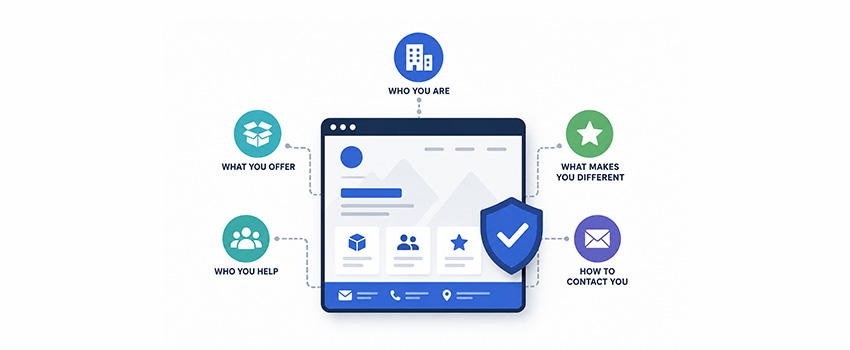
Your website should provide a clear and consistent picture of your business.
Important information should not be hidden only inside images, PDFs, or vague marketing copy.
Make sure key pages clearly communicate:
- Who your company is
- What you offer
- Who your services are for
- What makes your approach different
- How users can contact you
Your About page, service pages, articles, case studies, and external profiles should support the same overall understanding of your brand.
AI Search Optimization Still Starts With Good SEO
There is no completely separate “AI SEO” that replaces everything businesses already know about search.
The same fundamentals remain valuable:
- Crawlable and technically healthy pages
- Clear website architecture
- Relevant internal linking
- Useful, original content
- Accurate information
- Strong brand signals
- Trustworthy external references
- A clear topical focus
The difference is that businesses should increasingly think beyond individual keywords and rankings.
Ask:
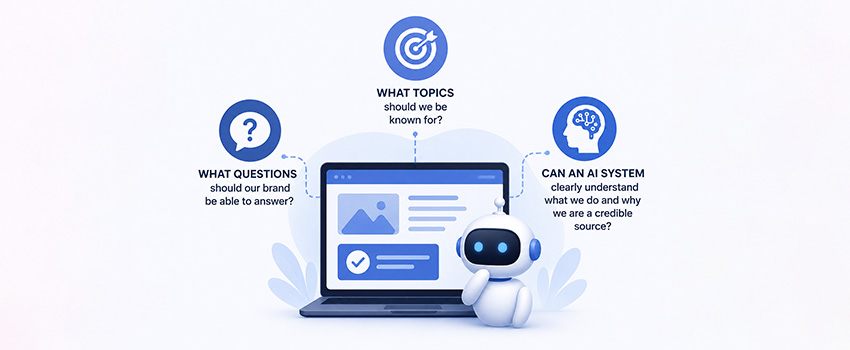
What questions should our brand be able to answer?
What topics should we be known for?
Can an AI system clearly understand what we do and why we are a credible source?
These questions should guide your content and SEO strategy.
A Practical AI Search Visibility Checklist
- Clearly define your brand, services, and expertise
- Answer important questions directly
- Use descriptive headings and logical page structure
- Publish original, useful insights instead of generic content
- Build topic clusters around your core expertise
- Strengthen internal links between related pages
- Use structured data where appropriate
- Keep business information consistent across the web
- Earn relevant brand mentions and references
- Include evidence of experience, expertise, and trust
- Update important information when it becomes outdated
- Continue investing in strong SEO fundamentals
Final Thoughts
To become more visible in AI search, focus less on trying to “game” individual AI platforms and more on becoming an understandable, trustworthy, and useful source of information.
Clear content helps AI systems understand your pages. Strong entities help them understand your brand. Structured information provides context. Topical authority demonstrates depth. Brand mentions and trustworthy references strengthen credibility.
The businesses most likely to benefit from AI-driven search are not necessarily those publishing the most content. They are the ones creating the clearest connections between their brand, their expertise, their services, and the questions their audience is asking.
If you want to improve your visibility across traditional search and emerging AI search experiences, explore our SEO and content marketing services and related AEO resources to build a strategy around long-term discoverability.