

Scroll through any social platform today and you’ll notice one thing immediately: everything is moving faster. Content is shorter. Hooks are sharper. Attention is fragile. And at the center of it all? Short-form video.
This isn’t just a trend—it’s a fundamental shift in how people consume content, discover brands, and make decisions online.
If your business isn’t adapting, you’re not just behind—you’re invisible.
The Rise of Short-Form Video

Short videos didn’t just “become popular”. They became dominant because they perfectly match how people behave online today.
Consider this:
- People now spend 80+ minutes daily watching short-form videos
- Short videos generate 2.5× more engagement than long-form content
- Around 66% of consumers say short videos are the most engaging content type
- 82% of users say video influenced a purchase decision
That’s not just engagement—that’s influence.
Short-form video sits exactly at the intersection of attention, entertainment, and decision-making.
Why Short Videos Win (Psychology + Technology)
1. Attention Spans Are Shrinking
People decide whether to keep watching a video in just a few seconds. Short videos respect that reality.
They don’t ask for time—they earn it.
2. Algorithms Are Built for It
Platforms like TikTok, Instagram Reels, and YouTube Shorts prioritize content that:
- Gets quick engagement
- Keeps users watching
- Encourages interaction
Short videos check all three boxes.
That’s why even small accounts can go viral overnight—something almost impossible with traditional content.
3. Mobile-First Behavior
Most content today is consumed on phones. Vertical, fast, scrollable videos fit perfectly into that experience.
Short-form video isn’t just content—it’s designed for the device people use most.
4. Instant Gratification Culture
Users don’t want to “wait for value”.
They want:
- A quick tip
- A fast answer
- A short laugh
- A rapid insight
Short videos deliver all of that in under a minute.
5. Lower Barrier to Creation
Unlike high-production ads or long YouTube videos, short content:
- Is faster to produce
- Costs less
- Can be tested at scale
That means more content, more experimentation, and more opportunities to win.
The Hidden Shift: From Search to Discovery
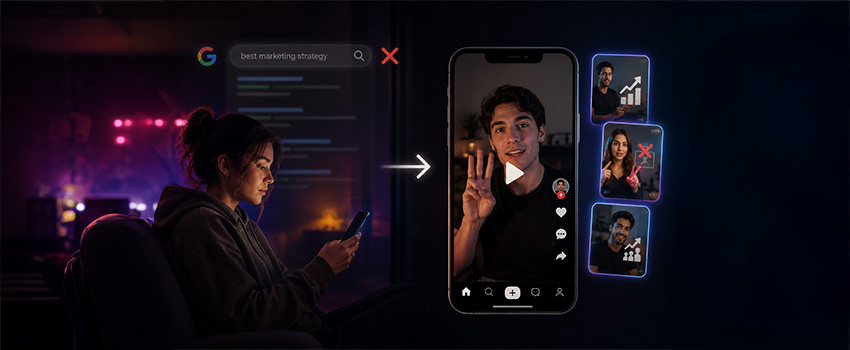
Here’s where things get really interesting.
People aren’t just searching anymore—they’re discovering.
Instead of typing into Google: “Best marketing strategy”․
They’re scrolling TikTok and seeing:
- “3 marketing hacks that actually work”
- “Why your ads are failing”
- “How I grew to 100k followers”
This is a massive behavioral shift.
Short-form video is becoming the new search engine, especially for younger audiences.
What This Means for Your Business
If you’re still relying only on blogs, SEO, or static social posts, you’re missing where attention actually lives.
Here’s what short-form video changes:
Visibility Is Now Earned in Seconds
You don’t have 10 minutes to convince someone.
You have 3 seconds.
Your content needs:
- A strong hook
- Immediate value
- Clear direction
Volume Beats Perfection
Because content is short, frequency matters more.
Brands that win are posting:
- Often
- Consistently
- Strategically
Not just “perfectly”.
Personality Beats Production
Highly polished ads are losing to:
- Raw content
- Real people
- Authentic messaging
Short-form video rewards relatability over perfection.
Content Becomes Your Funnel
Short videos are no longer “just content”.
They are:
- Awareness
- Engagement
- Trust-building
- Conversion triggers
All in one.
Speed = Competitive Advantage
Trends move fast.
Businesses that:
- Adapt quickly
- Create fast
- Test constantly
…win attention before others even react.
The Biggest Mistake Businesses Are Making

Most companies see short-form videos and think: “We should post some videos”.
Posting randomly without strategy is like running ads without targeting.
You don’t need more content—you need smarter content.
How Smart Brands Are Winning Right Now
The businesses getting real results are:
- Turning expertise into bite-sized insights
- Repurposing long content into short clips
- Building recognizable content styles
- Using storytelling instead of selling
- Optimizing for retention, not just views
They’re not chasing trends—they’re building systems.
Where Web Dominance Comes In

This is exactly where Web Dominance positions itself differently.
Most agencies focus on:
- SEO
- Ads
- Traditional content
But the real opportunity today is attention engineering.
That means:
- Understanding how algorithms distribute content
- Creating videos that stop the scroll
- Structuring content for retention and engagement
- Aligning short-form content with business goals
Web Dominance approaches short-form video not as content, but as a growth engine.
Because when done right, short videos don’t just get views.
They:
- Drive traffic
- Build authority
- Generate leads
- Increase conversions
The Future: Short-Form Isn’t Replacing Everything
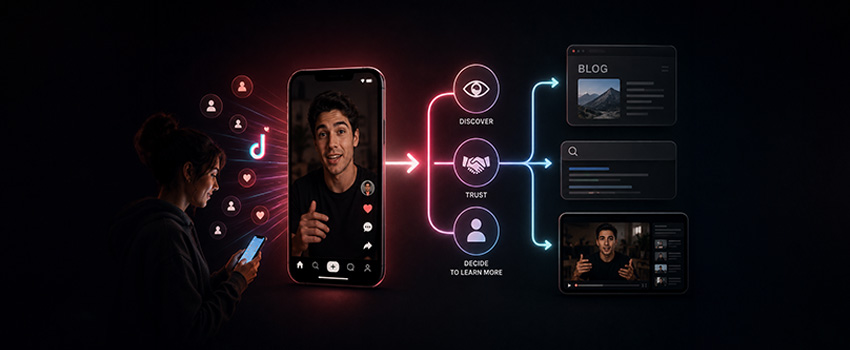
Long-form content still matters.
Blogs, SEO, and deep content aren’t going away.
But short-form video is becoming the entry point to everything else.
It’s how people:
- Discover you
- Trust you
- Decide to learn more
And businesses that understand this early?
They don’t compete for attention.
They own it.
Final Thought
Short-form video isn’t just taking over because it’s trendy.
It’s taking over because it aligns perfectly with:
- Human behavior
- Platform algorithms
- Mobile consumption
- Decision-making patterns
The question isn’t whether short videos matter.
It’s whether your business is using them strategically—or getting left behind while others do.