
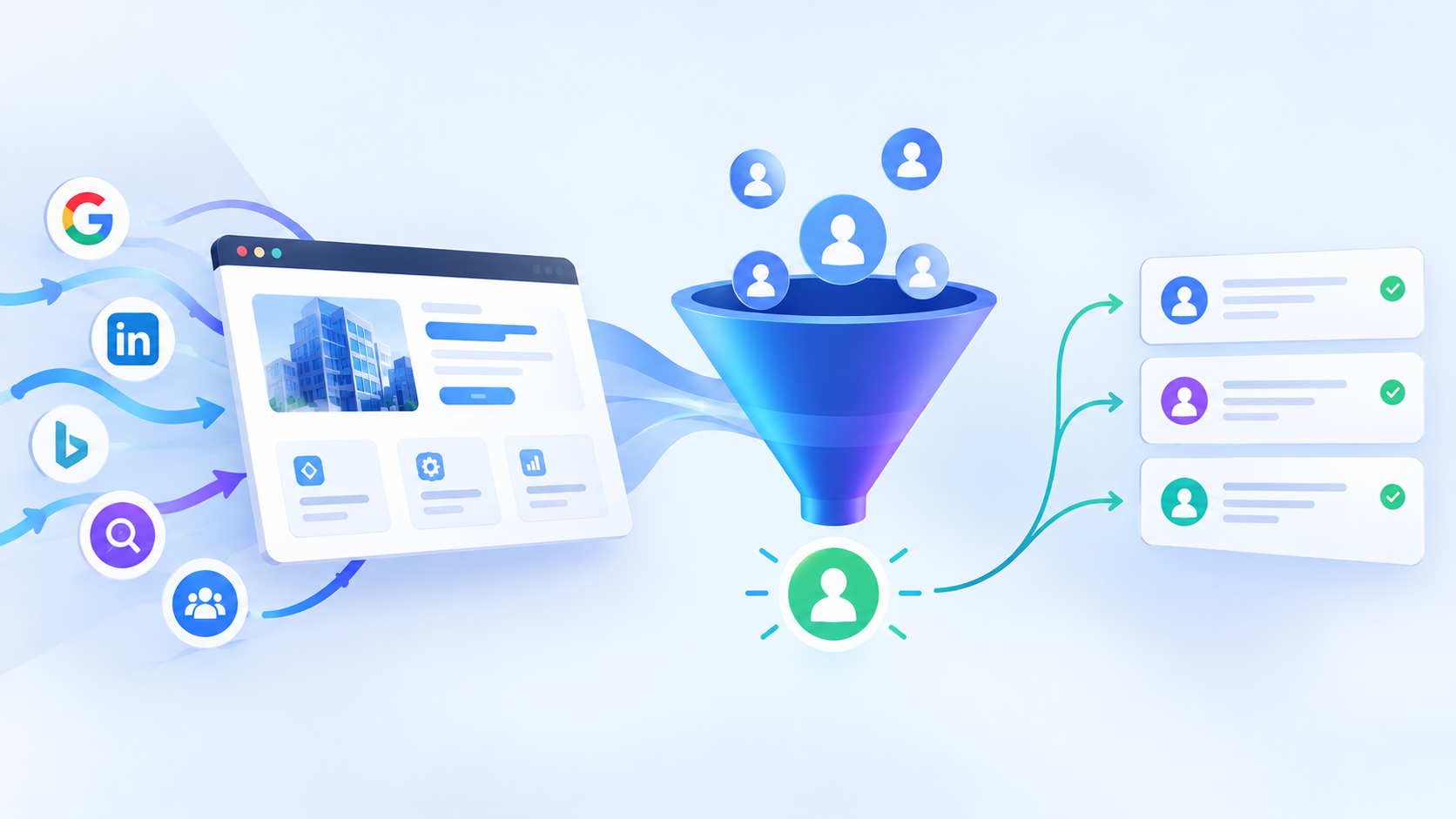
Google Ads is generally better for reaching people who are already searching for a product or service, while social media ads are better for introducing a business to potential customers, building interest, and creating demand. Neither channel is automatically more effective. The right choice depends on what you sell, who you need to reach, how customers make purchasing decisions, and what you want your advertising to achieve.
For many businesses, the strongest strategy is to use both: social media advertising helps potential customers discover and become familiar with the brand, while Google Search ads help capture demand when those customers actively look for a solution.
The important question is not simply which platform gets more clicks or cheaper traffic. It is which one brings in the customers who are most likely to buy—and does so at a sustainable acquisition cost.
What Is the Difference Between Google Ads and Social Media Ads?
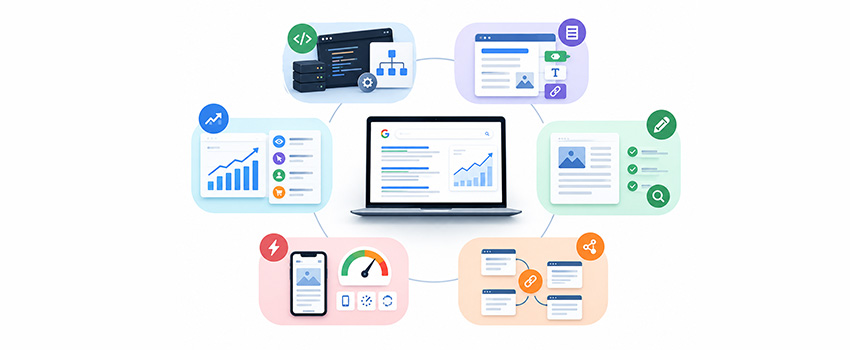
Google Ads and social media advertising reach potential customers in different contexts.
Google Search ads are typically shown when someone searches for a product, service, solution, or business. The advertiser selects keywords and campaign settings to reach relevant searches. This makes Search particularly useful for connecting with people who have an existing need.
Social media ads appear while people browse platforms such as Facebook, Instagram, and LinkedIn. They allow businesses to reach audiences based on factors such as professional characteristics, interests, location, and previous interactions. Instead of relying primarily on an active search, these campaigns introduce an offer while users are consuming content or interacting with their networks.
There is one important distinction: Google Ads is not limited to Google Search. Its campaign types also include Display, Video, Shopping, and Performance Max, which can reach audiences across different Google channels and placements. Therefore, this article compares Google Ads as an advertising platform with paid advertising on social networks, while giving particular attention to the difference between search intent and social discovery.
How Google Ads Work for Businesses
Google Ads provides several campaign types. Choosing the right one matters because different formats reach customers at different stages of the buying process.
Google Search Ads
Search ads appear on Google results pages when users search for relevant terms. For example, a person searching for emergency plumbing service in Prague is likely looking for a provider rather than browsing casually.
A business can target searches related to its products and services, such as:
- "Website development company"
- "Buy running shoes online"
- "Accountant for small businesses"
- "Best dental clinic near me"
- "Industrial equipment supplier"
This makes Search particularly useful when people already understand what they need and are comparing potential solutions.
Google Ads uses keyword match types to determine which searches may trigger an ad. Broad, phrase, and exact match provide different levels of reach and control. Negative keywords also help exclude irrelevant searches. Campaigns need regular search-term reviews to reduce spending on queries that are unlikely to produce customers.
Google Shopping Ads
Shopping campaigns are especially relevant to ecommerce businesses. They can display product images, prices, store information, and other product details in Google shopping experiences.
For example, someone searching for wireless noise-cancelling headphones may see several products from different retailers before visiting a store’s website.
Shopping advertising is useful when customers compare products based on price, appearance, brand, or specifications. Product data therefore matters as much as campaign settings. Inaccurate prices, missing attributes, poor images, or incomplete product information can undermine campaign performance.
Display and Video Ads
Google Display campaigns show visual advertisements across websites and apps in Google’s advertising network. Video campaigns allow businesses to reach audiences through YouTube and other eligible placements.
These formats are useful for increasing awareness, introducing products, communicating brand messages, and reconnecting with people who have previously interacted with a business.
They are closer to social media advertising in one important respect: they can reach potential customers who are not actively searching for the advertised product or service.
Performance Max
Performance Max is a goal-based Google Ads campaign type that can access Google’s advertising channels through a single campaign. It uses Google’s automated bidding and optimisation to pursue the conversion goals selected by the advertiser.
This can simplify campaign management, but businesses still need clear conversion goals, suitable creative assets, accurate product or service information, and reliable measurement. Automation does not replace a well-defined marketing strategy.
The Main Advantages of Google Ads
It reaches people with existing demand. Search campaigns can connect businesses with users who are actively looking for a product or service. This is valuable when the business solves a clearly defined problem.
It supports specific commercial targeting. Advertisers can organise campaigns around products, services, locations, and search themes. This helps match an advertisement to what a potential customer is looking for.
It can produce measurable actions. Businesses can track website purchases, form submissions, phone calls, and other valuable actions. Google Ads conversion tracking helps connect advertising interactions to defined business outcomes.
It can support different stages of the customer journey. Search is useful for capturing existing demand, while Display, Video, and Performance Max can help introduce or reinforce a brand across Google’s available inventory.
The Limitations of Google Ads
Google Ads is not automatically profitable simply because it reaches people who are searching.
First, competition can be expensive. Businesses bidding on commercially valuable keywords may face strong competition, particularly in sectors such as finance, legal services, insurance, and technology.
Second, search volume is limited by existing demand. A business introducing an unfamiliar product may find that few people search for it because potential customers do not yet know it exists.
Third, clicks do not guarantee purchases. A user might visit a website, compare prices, leave, and choose a competitor. Poor landing pages, unclear offers, slow websites, and complicated enquiry processes can waste advertising spend.
Google also identifies landing page relevance and usefulness as important aspects of the experience after an ad click. The destination should match the advertisement and make the expected next step clear.
Google Ads Help+1
Google Ads is therefore most effective when there is enough relevant search demand, the offer matches what people are looking for, and the website can convert visitors into customers.
How Social Media Ads Work for Businesses
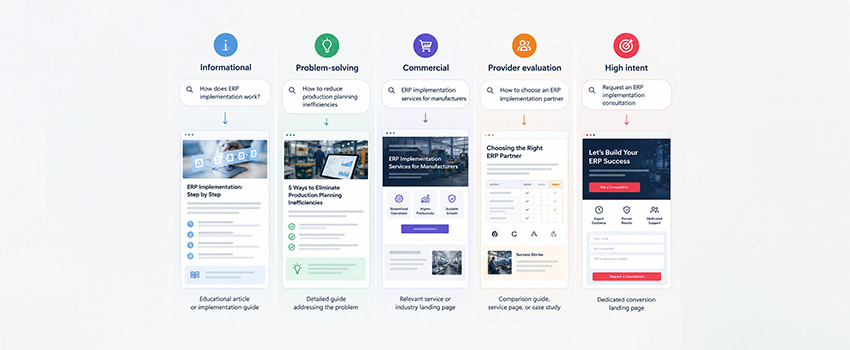
Social media advertising allows businesses to promote products, services, and content to audiences while they use social platforms.
Unlike a typical Google Search campaign, the advertisement does not necessarily appear because someone has searched for the advertised product. It appears because the platform’s advertising system identifies an audience that may be relevant to the campaign.
Businesses can use social media ads to introduce a brand, demonstrate products, promote offers, collect enquiries, drive website visits, and encourage purchases.
The most appropriate platform depends on where the target audience spends time and how it prefers to discover products or services.
Facebook and Instagram Ads
Facebook and Instagram advertising is managed through Meta’s advertising ecosystem. These platforms can be useful for businesses targeting consumers, promoting visually appealing products, generating enquiries, and maintaining engagement with existing audiences.
For example:
- A beauty studio can promote a service using short videos, before-and-after images where appropriate, and appointment offers.
- A clothing brand can introduce a new collection through product imagery and video.
- A restaurant can promote seasonal menus, events, or special offers to people in its service area.
- An online store can showcase products and encourage customers to explore its catalogue.
Meta Blueprint provides guidance on creating custom and lookalike audiences, using audience data, and working with Advantage+ audience features. These capabilities can help advertisers reach new prospects and reconnect with people who have already interacted with their business.
LinkedIn Ads
LinkedIn is particularly relevant to B2B companies because its advertising options include professional audience characteristics.
Businesses can target audiences using attributes such as:
- Job title and seniority.
- Company name and industry.
- Company size and other company attributes.
- Professional skills and interests.
- Custom audiences and website retargeting.
For example, a company offering cybersecurity consulting could build campaigns aimed at relevant IT and security decision-makers rather than relying only on broad demographic targeting.
LinkedIn also offers ad formats such as sponsored content, video ads, document ads, and Lead Gen Forms. These can support different campaign goals, from professional awareness to lead generation.
However, LinkedIn may not be the right choice for every B2B campaign. Its audience and costs need to be evaluated against the value of the customers a business is trying to acquire.
TikTok and Other Social Platforms
TikTok and other content-led platforms can be valuable when a product or service benefits from visual demonstration, short-form video, education, entertainment, or creator-led content.
For example, a fitness business might demonstrate exercises, a food brand could show how its products are used, and a consumer technology company could explain product features through short videos.
The key consideration is not simply whether a platform is popular. Businesses should evaluate whether their target customers use it, whether the product fits its content environment, and whether the company can produce suitable advertising creative consistently.
The Main Advantages of Social Media Ads
They help businesses reach people before they start searching. Social media advertising is useful for introducing unfamiliar products, building awareness, and generating interest among audiences who may not yet be actively looking for a solution.
They offer strong creative possibilities. Images, videos, carousels, testimonials, and demonstrations allow businesses to communicate benefits in ways that a text-based search ad cannot.
They support audience-based targeting. Platforms such as LinkedIn provide professional targeting options, while Meta offers tools for working with customer and engagement audiences.
They can help businesses stay visible. Repeated exposure to relevant content can help people become familiar with a brand before making a purchasing decision.
They support different marketing objectives. Depending on the platform and campaign setup, social advertising can be used for awareness, engagement, website traffic, lead generation, and sales. Meta Blueprint, for example, teaches advertisers to align campaign objectives with business goals.
The Limitations of Social Media Ads
Social media advertising also has limitations.
The most important is that users may not be actively looking to purchase. A person watching videos on Instagram might see an advertisement for a product, but that does not necessarily mean they are ready to buy it.
Creative production is another consideration. Social campaigns often depend on a steady supply of relevant images, videos, product demonstrations, and messages. An advertisement that initially attracts attention may lose effectiveness as the same audience sees it repeatedly.
Audience targeting also has practical limits. A carefully selected audience does not guarantee that every person reached will be interested in buying. Broad reach and low cost per click can be misleading when the campaign produces few qualified enquiries.
Finally, social engagement should not be confused with commercial performance. Likes, comments, video views, and follower growth can indicate attention, but they do not independently demonstrate sales or profitable customer acquisition.
Social media ads work best when the audience, creative, offer, and campaign objective are aligned with a measurable business goal.
Which Is Better for Your Business?
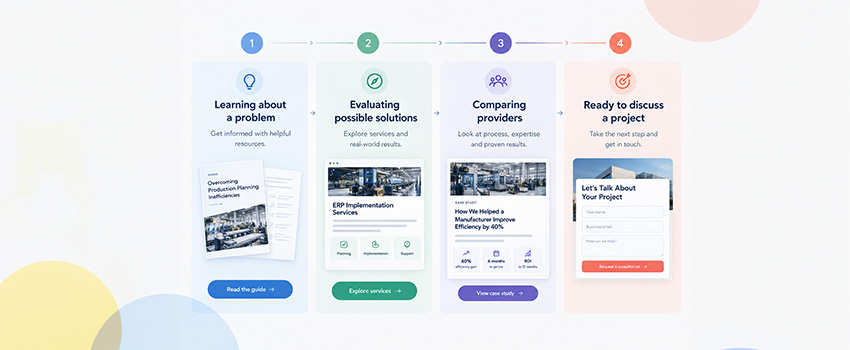
There is no universal winner. A business should choose its advertising channels based on its customers, products, sales cycle, and growth objectives.
Here is how the decision differs across common business models.
Local Service Businesses
Google Search is often the starting point
Local businesses such as plumbers, dentists, electricians, beauty studios, and repair services can benefit from Google Search campaigns because customers often search when they have an immediate need.
Consider someone searching for emergency electrician near me. The person is likely looking for a service provider and may be ready to make a call.
Google Search can help the business appear for relevant local searches, while social media ads can introduce its services, promote seasonal offers, and reach people in selected geographic areas.
Recommended approach: Start with relevant local Search campaigns where there is sufficient search demand. Use social media advertising to strengthen awareness, promote specific services, and reconnect with previous website visitors where appropriate.
Ecommerce Businesses
Both channels can play a major role
Ecommerce businesses often benefit from combining Google Shopping or Search campaigns with advertising on visual social platforms.
Google can reach customers searching for specific products or comparing available options. Social media platforms can introduce products through lifestyle images, demonstrations, customer-generated content, and promotional videos.
For example, an online clothing retailer could use Shopping campaigns to reach people searching for particular products and Instagram advertising to introduce new collections to relevant audiences.
Recommended approach: Use Google Ads to capture product-related demand and social media ads to support product discovery, campaign launches, and remarketing. Compare performance by product category rather than assuming one channel will work equally well across the entire catalogue.
B2B Companies
Use a combination based on the sales cycle
B2B businesses often have longer decision-making processes. A potential client may research a service, compare suppliers, review case studies, consult colleagues, and only then contact a provider.
Google Search can help reach decision-makers who are actively looking for a service, such as business consulting, software development, or industrial equipment.
LinkedIn can help companies reach professionals using job titles, seniority, company characteristics, and other relevant audience attributes.
Recommended approach: Use Google Search for commercial-intent searches, LinkedIn to reach carefully defined professional audiences, and relevant retargeting campaigns to maintain visibility among people who have already shown interest. For B2B companies, measuring qualified enquiries and sales opportunities matters much more than counting clicks or form submissions alone.
New Businesses and Unfamiliar Products
Social media can help create initial demand
A new business or product may have little existing search demand. People cannot search for a product they do not know exists or do not yet understand.
Social media advertising can help introduce the offer, demonstrate its use, explain its benefits, and identify audiences who respond to it.
Once awareness grows, people may start searching for the brand, product category, or problem it solves. Google Search campaigns can then help capture some of that demand.
Recommended approach: Use social media to test positioning, creative concepts, and audience response. Build Search campaigns around relevant product and category searches as demand becomes clearer.
High-Consideration Products and Services
For expensive or complex purchases, such as property, financial services, consulting, and specialist equipment, customers may need several interactions before making a decision.
Google Ads can capture users researching specific services, while social media can help communicate expertise, show customer experiences, and keep the brand visible during the evaluation process.
Recommended approach: Use both channels to support different stages of the purchasing journey. Provide useful landing pages, detailed service information, customer proof where available, and clear ways to request further information.
Which Advertising Platform Is More Cost-Effective?
Cost-effectiveness cannot be determined by comparing average cost per click alone.
Google Ads may attract a higher cost per click for a competitive keyword but produce more purchase-ready visitors. Social media ads may generate cheaper clicks, but some of those users may be less likely to become customers.
The better investment is the channel that generates valuable business outcomes at an acceptable cost.
Consider these metrics:
Metric | What it tells you |
Cost per click (CPC) | How much you pay for an advertising click |
Cost per thousand impressions (CPM) | How much it costs to deliver 1,000 ad impressions |
Click-through rate (CTR) | How often people click after seeing an ad |
Conversion rate | The percentage of visitors who complete a desired action |
Cost per lead (CPL) | How much it costs to generate an enquiry or lead |
Cost per qualified lead | How much it costs to generate a lead that meets your business criteria |
Customer acquisition cost (CAC) | How much it costs to acquire a paying customer |
Return on ad spend (ROAS) | Revenue attributed to advertising divided by advertising spend |
For a business focused on lead generation, cost per qualified lead and customer acquisition cost are often more useful than cost per click.
For ecommerce, ROAS can help evaluate campaign revenue against ad spend, but it should be considered alongside profit margins, returns, repeat purchases, and other operating costs.
Should You Use Google Ads and Social Media Ads Together?
For many businesses, combining the two channels is more effective than treating them as alternatives.
Google Ads and social media advertising can support different parts of the customer journey.
A simple combined advertising strategy
STAGE 1 · DISCOVERY
Social media advertising
Introduce the product or service through relevant content, visual demonstrations, educational posts, and targeted campaigns.
STAGE 2 · RESEARCH
Search and content
Reach people who begin searching for the product, service, brand, or solution. Provide useful information that helps them compare options.
STAGE 3 · CONSIDERATION
Remarketing and retargeting
Show relevant follow-up messages to eligible audiences who previously visited the website or engaged with the brand.
STAGE 4 · CONVERSION
Relevant landing pages and clear offers
Make it easy to purchase, request a quotation, book an appointment, or submit an enquiry.
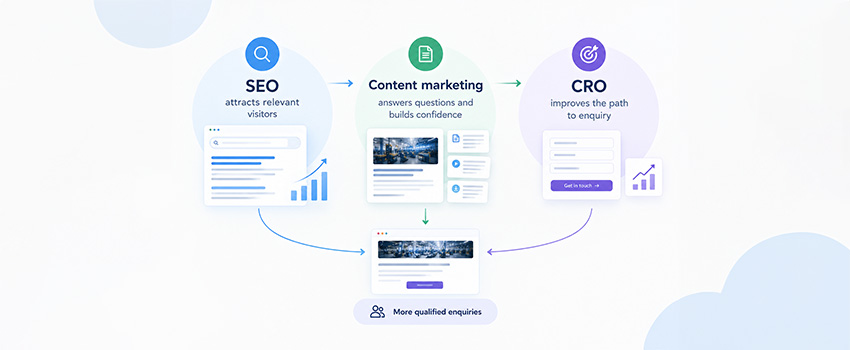
- Website visitor
- Enquiry submitted
- Lead reviewed
- Qualified lead
- Sales opportunity
- Customer acquired
Your definitions should reflect the actual business and sales process. For example, a qualified lead may need to meet certain service requirements, while a sales opportunity may require confirmed budget, project scope, or a scheduled sales discussion.
Google Analytics 4 supports measuring meaningful actions as key events. Its documentation explains how to configure and report on lead-generation form submissions: Measure key events with Google Analytics.
Where possible, connect analytics with your CRM so that website sources can be evaluated alongside lead qualification and closed sales.
Useful metrics include:
- Organic sessions to relevant landing pages.
- Completed enquiry submissions.
- Conversion rate by landing page and channel.
- Qualified leads from organic search.
- Lead-to-opportunity and lead-to-customer rates.
- Cost per qualified lead, where relevant costs can be measured.
- Revenue associated with acquired customers.
Review these metrics together. More form submissions are not necessarily better if lead quality deteriorates or the sales team spends more time on irrelevant enquiries.
A simple calculation can help identify whether your website is attracting visitors and converting them into meaningful enquiries.
Consider this illustrative example:
A B2B website receives 5,000 organic sessions in a month. Those sessions generate 40 enquiry submissions, of which 12 meet the company’s lead qualification criteria.
The calculations would be:
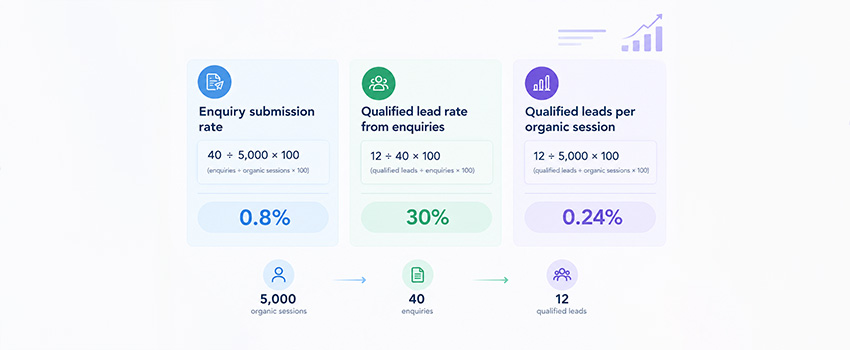
These numbers are hypothetical and are not industry benchmarks or expected results for Web Dominance clients.
They demonstrate why measuring only form submissions can be misleading. If organic sessions increase but the number of qualified leads remains unchanged, the business should investigate traffic relevance, conversion barriers, and lead qualification.
Likewise, if enquiry volume stays stable but the proportion of qualified leads improves, the website may be attracting a more relevant audience or communicating the offer more effectively.
The goal is to understand the full path from organic discovery to a meaningful business opportunity.
Turn Your Website Into a More Effective B2B Lead Generation Channel
Generating qualified B2B enquiries from organic traffic requires more than improving search rankings or increasing website visits. It requires a connected approach that attracts the right audience, answers their questions, demonstrates credibility, and gives them a clear route toward contacting your business.
Start by identifying the pages and search queries most relevant to your target customers. Improve the information those visitors encounter, remove unnecessary friction from the enquiry process, and connect website analytics with lead qualification and sales data.
Over time, this approach helps your business make better decisions about SEO priorities, website development, content investment, and conversion optimization.
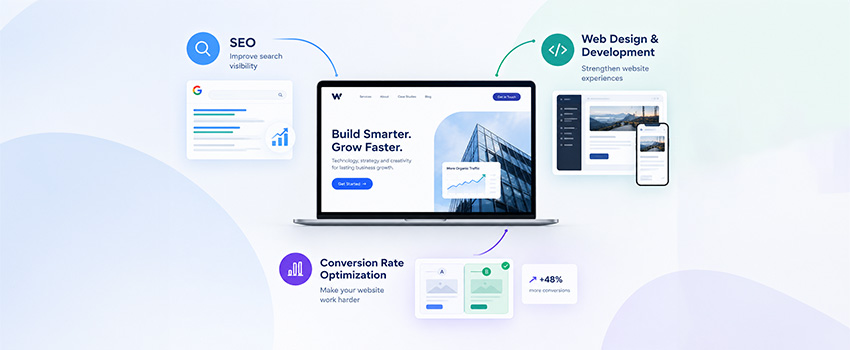
At Web Dominance, we bring together SEO, Web Design & Development, and Conversion Rate Optimization to help businesses improve search visibility, strengthen website experiences, and make their digital presence more effective.
Want to understand how your website can generate more qualified enquiries? Contact Web Dominance to discuss your website, organic search performance, and opportunities to improve your B2B lead generation strategy.