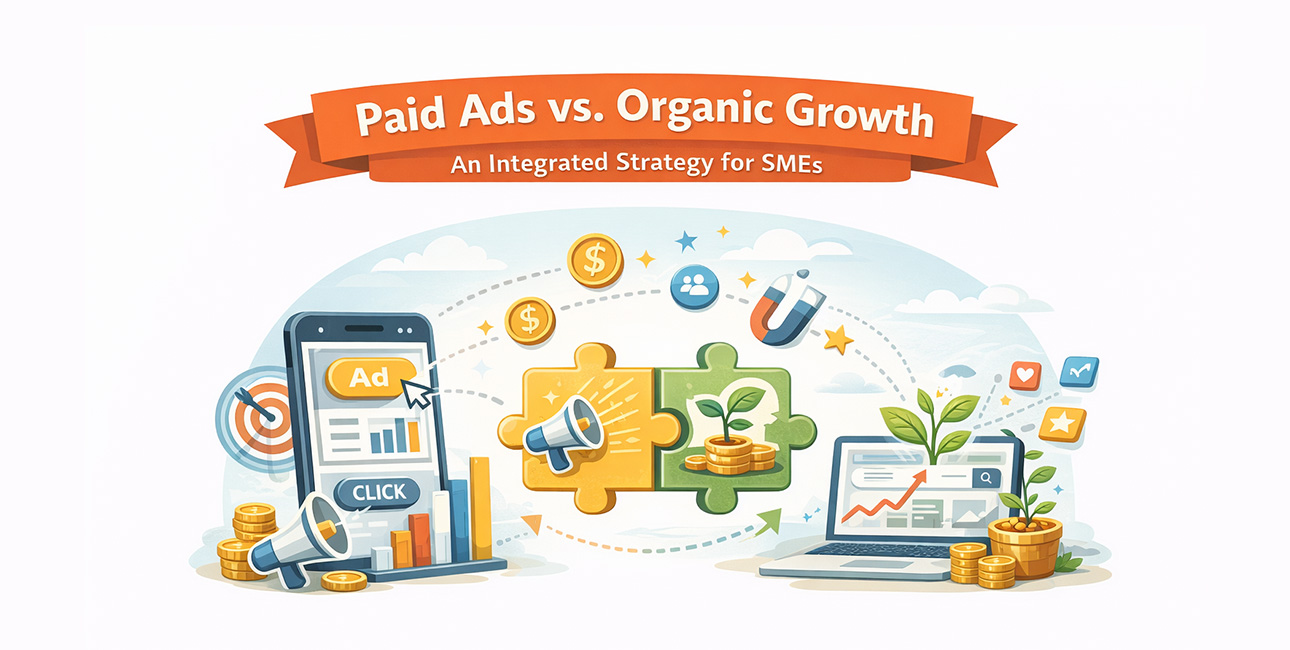
For small and medium-sized enterprises (SMEs), one of the biggest marketing dilemmas is deciding where to invest: should you spend on paid advertising for immediate leads, or focus on organic growth strategies that build long-term visibility? The truth is, you don’t have to choose — combining both approaches is the most effective way to grow your business sustainably.
This guide walks local businesses and B2B service SMEs through the benefits, challenges, and best practices for integrating paid and organic strategies, so you can generate leads now while building authority for the future.
1. Understanding Paid Ads and Organic Growth
Before diving into strategies, it’s important to understand the difference between paid and organic marketing:
Paid Ads
Paid advertising allows you to buy visibility. This includes platforms like Google Ads, Facebook Ads, LinkedIn Ads, and other paid search/social channels. Paid ads are designed to drive immediate traffic, leads, or sales. You can target your audience precisely based on location, demographics, or industry, making it a go-to solution for local businesses and B2B services.
Organic Growth
Organic growth focuses on attracting audiences naturally through search engine optimization (SEO), content marketing, and social media engagement. It’s about building credibility, trust, and sustainable visibility over time. While results take longer, organic strategies often deliver higher ROI in the long term because they continue to generate leads without ongoing ad spend.
Key Difference:
Paid ads give you instant visibility; organic growth builds long-term authority.
2. The Pros and Cons of Paid Ads
Paid ads are a powerful tool, but they’re not without challenges. Here’s what SMEs should consider:
Pros:
- Instant results: Drive leads and traffic immediately.
- Precise targeting: Reach local customers or specific B2B audiences with ads tailored to location, job title, or industry.
- Scalability: Increase your budget to scale campaigns quickly.
Cons:
- Cost considerations: CPC (cost per click) and CPM (cost per thousand impressions) can add up quickly.
- Ad fatigue: Overexposure can lower engagement over time.
- Short-term dependency: Leads stop coming if you pause campaigns.
For example, a local café can run Google Ads targeting “best coffee near me” to fill tables quickly, but if the ads stop, traffic may vanish. Similarly, a B2B consultant can use LinkedIn Ads to reach decision-makers, but only as long as the campaign runs.
3. The Pros and Cons of Organic Growth
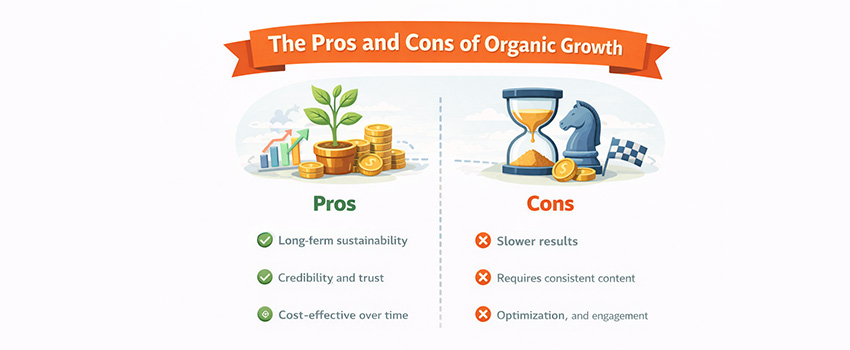
Organic growth strategies focus on building authority and sustainable traffic, but they require patience.
Pros:
- Long-term sustainability: Once your content ranks, it continues to generate leads.
- Credibility and trust: Customers often trust organic results more than ads.
- Cost-effective over time: Minimal ongoing investment compared to paid campaigns.
Cons:
- Slower results: SEO and content marketing take weeks or months to show impact.
- Ongoing effort: Requires consistent content creation, optimization, and engagement.
- Competitive: Can be challenging to outrank competitors in saturated markets.
For instance, a local accounting firm can publish helpful blog posts about tax planning to attract potential clients over time. A B2B service provider can write LinkedIn articles or case studies to establish thought leadership and generate inbound leads.
4. Why SMEs Should Use an Integrated Strategy
Paid and organic marketing are not mutually exclusive. In fact, they complement each other:
- Paid ads can deliver immediate leads while organic strategies are still taking effect.
- Organic content can improve ad performance by increasing click-through rates and trust.
- Paid campaigns can provide insights into what keywords, messaging, and content resonate most, informing your organic strategy.
5. Step-by-Step Guide to Combining Paid and Organic
Here’s how SMEs can create a practical integrated strategy:
Strong brand sound:
- Set Clear Business Goals: Define what success looks like: more foot traffic, qualified leads, or email sign-ups.
- Identify Your Target Audience and Channels: Know where your customers spend their time online. For local businesses, Google Maps and Facebook are key. For B2B services, LinkedIn and industry forums are critical.
- Budget Allocation: Determine how much to invest in paid ads versus organic initiatives. A typical approach is short-term paid campaigns to accelerate leads, with organic efforts building lasting authority.
- Align Content Across Channels: Use your organic content to support ads. For example, an ad promoting a service should link to a well-crafted blog or landing page that builds trust and educates the audience.
- Track and Analyze Performance: Use analytics tools to monitor ad conversions, organic traffic, and ROI. Adjust budgets and strategies based on performance insights.
- Iterate and Optimize: Continuously refine ad copy, targeting, SEO, and content strategy to maximize results over time.
6. Common Mistakes to Avoid
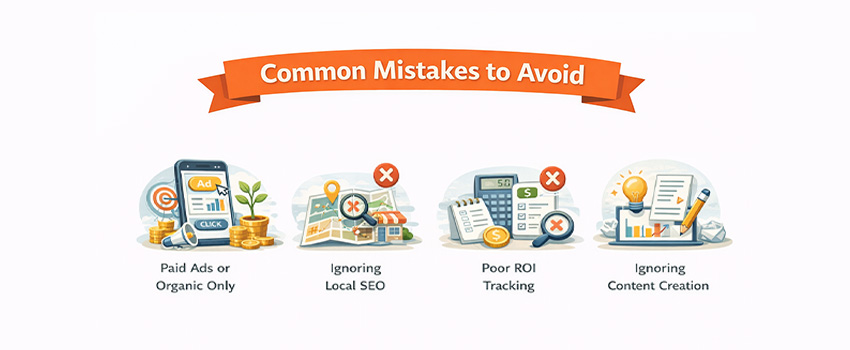
- Relying solely on paid ads or organic growth — integration is key.
- Ignoring local SEO — local searches are vital for brick-and-mortar SMEs.
- Not tracking ROI properly — you can’t optimize what you don’t measure.
- Underestimating content creation — high-quality content fuels both paid and organic success.
Conclusion
For SMEs — whether a local business or B2B service provider — paid ads and organic growth are complementary tools, not opposing strategies. Paid ads generate immediate results, while organic efforts build trust, authority, and long-term sustainability. By integrating both approaches, SMEs can maximize leads, revenue, and long-term online presence.
Next Steps:
- Audit your current marketing strategy
- Identify gaps where paid and organic can work together
- Create an integrated plan with clear goals, budgets, and performance tracking
Implementing an integrated marketing strategy can be challenging without the right expertise. Web Dominance specializes in helping SMEs combine paid advertising and organic growth effectively. From crafting high-converting ad campaigns to optimizing SEO and content marketing, Web Dominance provides tailored solutions that save time, reduce costs, and drive measurable results. Their team works closely with local businesses and B2B service providers to ensure every marketing dollar contributes to sustainable growth.
With the right strategy and support, your business can achieve immediate leads and long-term online authority, giving you a competitive edge in today’s digital landscape.