

The decision to outsource digital marketing or build an in-house team depends on a company’s goals, available resources, and the level of expertise its marketing activities require.
Outsourcing can be a practical solution for businesses that need access to multiple specialists, want to avoid the time and expense of recruitment, or require flexibility as their marketing needs evolve. Hiring internally, on the other hand, may be more effective when marketing requires continuous involvement in daily operations, in-depth product knowledge, and close collaboration with other departments.
However, these approaches are not mutually exclusive. Many businesses benefit from a hybrid model that keeps strategic direction, brand knowledge, and decision-making in-house while relying on external specialists for specific marketing activities.
This article explores when outsourcing makes more sense than hiring internally, when an in-house team is worth the investment, and how businesses can determine the most effective marketing structure for their needs.
What is an in-house digital marketing team?
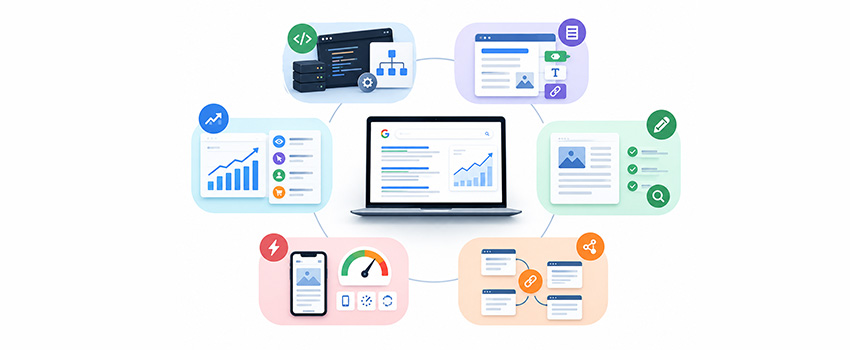
An in-house digital marketing team consists of employees who work directly for the company and manage its marketing activities internally.
Depending on the company’s size and objectives, the team may include:
- Marketing manager or marketing director
- SEO specialist
- Content writer or content strategist
- Social media manager
- PPC or paid advertising specialist
- Graphic or web designer
- Marketing analyst
- Marketing automation specialist
An in-house team works closely with sales, product development, customer support, and management. Over time, employees develop a detailed understanding of the company’s products, customers, competitive environment, and internal processes.
This gives the business direct control over marketing priorities and makes it easier to integrate marketing into everyday operations.
However, building a department that covers several digital marketing disciplines requires considerable investment. Hiring one generalist to manage SEO, advertising, content, analytics, and website development does not necessarily provide the specialist expertise each activity requires.
What does outsourcing digital marketing mean?
Digital marketing outsourcing involves working with an external agency or specialist provider to plan, execute, or manage marketing activities.
A business can outsource individual services, specific projects, or its broader digital marketing operation.
Common outsourced services include:
- Digital marketing strategy and consultancy
- Search engine optimization (SEO)
- Content marketing and copywriting
- Social media marketing
- Google Ads and paid advertising
- Website design and development
- Conversion rate optimization (CRO)
- Branding and creative design
- Marketing analytics and reporting
An agency typically provides access to professionals with different specialisations. Instead of recruiting separate employees for every function, a business can work with an external team according to an agreed scope of work.
Outsourcing can also adapt as business requirements change. A company might initially outsource SEO, introduce paid advertising later, and eventually engage an agency for a broader marketing strategy.
The main difference is how the business accesses marketing expertise: through permanent internal employees or an external team working under an agreed commercial arrangement.
When Should a Business Outsource Its Digital Marketing?
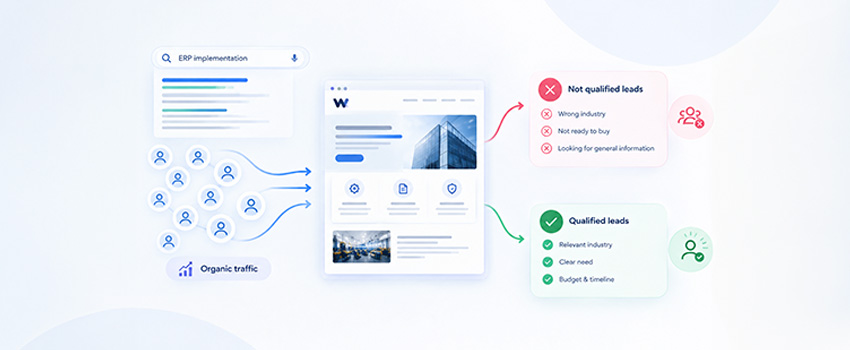
Outsourcing is particularly attractive when a company needs capabilities that would be expensive, difficult, or unnecessary to maintain internally.
The following situations are strong indicators that working with an external digital marketing agency may be the better decision.
You Need Multiple Marketing Specialisations
Modern digital marketing involves several interconnected disciplines. SEO, PPC, content creation, website development, analytics, and conversion optimization all require different skills.
Hiring one employee to manage every activity may appear cost-effective initially. However, expecting one person to deliver specialist-level work across all these areas can create quality and capacity problems.
Consider a company that wants to:
- Improve its organic search visibility
- Launch Google Ads campaigns
- Redesign its website
- Develop a content marketing strategy
- Improve landing page conversion rates
These activities require different combinations of technical knowledge, analytical skills, and creative expertise.
An external agency can provide access to several specialists without requiring the company to recruit a complete marketing department.
Outsourcing is especially relevant when the business needs multiple disciplines but does not have enough continuous work to justify hiring a full-time employee for each one.
You Want to Launch Marketing Activities Without Lengthy Recruitment
Building an in-house marketing team requires time and management resources.
The process involves defining responsibilities, advertising vacancies, reviewing applications, interviewing candidates, negotiating employment terms, onboarding employees, and providing access to the necessary systems.
New employees also need time to understand the company’s products, customers, competitive environment, and marketing objectives.
An external agency can reduce this recruitment burden because it already has an operating team and established processes.
For example, a business preparing to enter a new market may need market research, localized website content, SEO, and a paid advertising campaign. Working with an agency allows it to access the required expertise without first recruiting employees for every function.
Outsourcing does not eliminate onboarding, research, or planning. The agency still needs to understand the business before developing an effective strategy. However, it can reduce the time and resources required to assemble a specialist team.
Your Marketing Workload Changes Throughout the Year
Not every business requires the same amount of marketing support throughout the year.
Some companies experience seasonal demand, product launches, international expansion, or periods of intensive campaign activity.
Hiring permanent employees to cover occasional increases in workload can create unnecessary fixed costs.
An external agency allows the business to adjust its scope of work according to changing priorities.
For example:
- An e-commerce company may need additional advertising support before major shopping periods.
- A software company may require intensive content production before entering a new market.
- A real estate business may need additional landing pages and PPC campaigns during a property launch.
- A professional services company may require branding and website development before introducing a new service.
This flexibility is valuable when the demand for specialist work fluctuates rather than remaining consistent throughout the year.
Your Current Marketing Strategy Needs a Fresh Perspective
Internal teams can become too familiar with existing marketing activities.
Employees may continue using the same messaging, channels, campaign structures, and website content because those approaches have become part of normal operations.
An external agency can evaluate the company’s current strategy, identify weaknesses, examine competitors, and recommend improvements from a different perspective.
This can be particularly valuable when:
- Marketing performance has stopped improving.
- Website traffic is increasing but qualified enquiries are not.
- Existing advertising campaigns consume budget without generating sufficient opportunities.
- The business is entering a new market.
- Management is unsure which marketing channels deserve additional investment.
An external perspective should not replace internal business knowledge. It should challenge assumptions and help management make better-informed decisions.
You Need Specialist Expertise That Is Difficult to Maintain Internally
Digital marketing requires continuous professional development.
Search algorithms, advertising platforms, analytics systems, privacy requirements, and marketing technologies evolve. Businesses need people who can keep up with these changes while maintaining their existing responsibilities.
The American Marketing Association’s 2025 Marketing Skills Report, based on research involving more than 1,200 marketers, over 450 job postings, and industry interviews, identified competency gaps in digital marketing, data and analytics, proving ROI, and data privacy and compliance.
The findings illustrate the difficulty of maintaining every required specialisation within a single marketing department. They do not mean outsourcing is automatically better, but they highlight why businesses need to evaluate their internal capabilities carefully.
Outsourcing may be appropriate when the company needs expertise in areas that are not currently available internally and does not have sufficient demand to justify permanent positions.
When Is Hiring an In-House Digital Marketing Team the Better Choice?
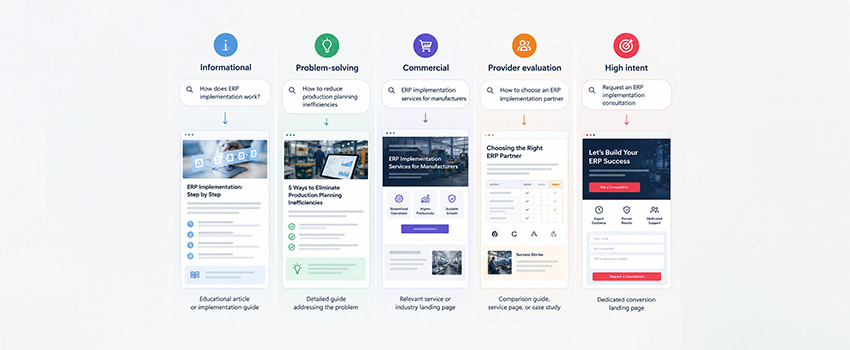
Outsourcing is not necessarily the right solution for every business.
Some companies benefit more from employees who are directly involved in daily operations and have an in-depth understanding of the organisation.
Here are four situations in which hiring internally may provide greater value.
Marketing Requires Continuous Daily Involvement
Some marketing activities depend on constant communication with other departments.
A company launching products frequently, for example, may need marketing employees to attend internal meetings, coordinate with product managers, prepare urgent materials, and respond immediately to changing priorities.
An in-house team can integrate more easily into these processes.
External agencies can provide regular communication and respond to urgent requests, but they typically manage several clients and operate according to agreed priorities and working arrangements.
When marketing requires continuous involvement in internal decisions, permanent employees may be more practical.
Your Business Has Enough Work to Justify Permanent Roles
A full-time employee makes financial sense when there is a consistent volume of work and a clear need for a particular specialisation.
For example, a large e-commerce business managing hundreds of products may have continuous requirements for product content, promotional campaigns, email marketing, website updates, and performance analysis.
A dedicated marketing manager, content specialist, or performance marketer may be more efficient than outsourcing every individual task.
The important consideration is whether the workload is substantial and consistent enough to justify the complete employment cost.
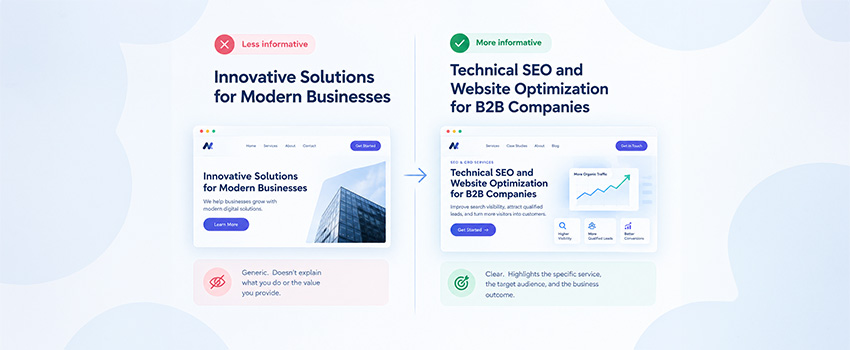
Your Marketing Requires Deep Product and Industry Knowledge
Some businesses operate in complex industries where marketing communication depends on detailed technical or regulatory knowledge.
Examples include:
- Enterprise software and technology
- Healthcare and medical services
- Financial services
- Industrial manufacturing
- Legal and professional services
Internal employees working closely with subject-matter experts can develop a deeper understanding of technical terminology, product limitations, customer concerns, and industry-specific requirements.
An external agency can learn these details, but the business still needs to provide information, review technical claims, and ensure communications remain accurate.
In-house specialists may be especially valuable when product knowledge changes frequently or inaccurate messaging could create regulatory or reputational risks.
Marketing Is a Core Competitive Advantage
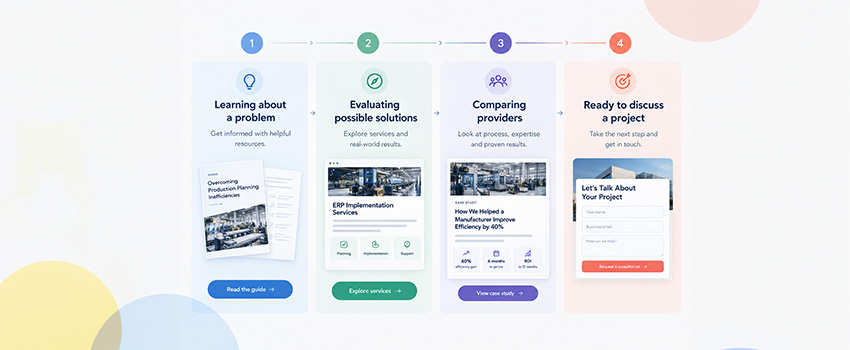
Cost is one of the most important considerations when choosing between an internal team and an external agency.
However, comparing an agency’s monthly fee with one employee’s salary does not provide an accurate picture of the actual investment.
Businesses should calculate the total cost of delivering the required marketing activities.
How Much Does It Really Cost
Test the entire process regularly. A form that looks functional but fails to deliver submissions can undermine an otherwise effective lead generation strategy.
For longer or more complex forms, assess whether the additional qualification value justifies the extra effort required from visitors.
The true cost of an in-house marketing team
The financial commitment may include:
- Employee salaries
- Employer taxes and social contributions
- Recruitment and onboarding
- Training and professional development
- Paid leave and employee benefits
- Computers and other equipment
- Marketing software and subscriptions
- Management and coordination
- Additional recruitment when new expertise is needed
These expenses should be evaluated across all the positions required to execute the marketing strategy, not just one employee.
The true cost of outsourced digital marketing
An outsourced arrangement may include:
- Monthly agency retainers
- One-time strategy and audit fees
- Website development or redesign
- Content production
- Advertising management fees
- Paid media budgets
- Additional specialist services
- Analytics and reporting expenses
Businesses should also account for internal time spent providing information, attending meetings, reviewing deliverables, and approving campaigns.
An agency’s monthly fee is not necessarily an all-inclusive marketing budget. Advertising spend, third-party subscriptions, and additional project work may be billed separately.
How to Decide Which Digital Marketing Model Is Right for Your Business
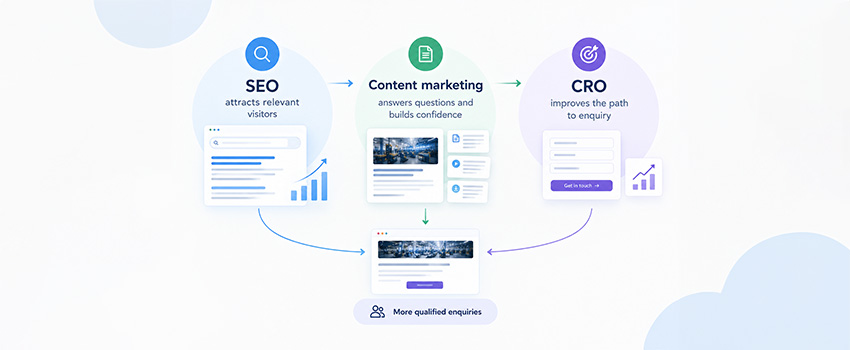
Understanding the advantages of both approaches is useful, but businesses also need a practical decision-making process that involves five steps.
Step 1: Identify the marketing activities you need.
List the services required to reach your business objectives, such as SEO, PPC, content marketing, website development, or conversion optimization.
Step 2: Estimate the actual workload.
Determine how many hours each activity requires per week or month. Separate continuous responsibilities from occasional projects.
Step 3: Assess your internal capabilities.
Identify which skills already exist within the company and which require additional expertise.
Step 4: Calculate the total cost.
Compare fully loaded employment costs with complete agency proposals, including additional fees and internal coordination.
Step 5: Decide what needs to remain under internal ownership.
Keep responsibilities that require detailed business knowledge, strategic authority, and close collaboration inside the company. Consider external support for specialist execution or additional capacity.
This process helps management make a decision based on actual requirements rather than assumptions about which model is generally better.
Why a Hybrid Digital Marketing Model Often Makes More Sense
Many businesses do not need to choose between completely internal and completely outsourced marketing.
A hybrid model combines internal ownership with external expertise.
This allows a company to retain control over its business objectives while using external specialists for activities that require additional skills, tools, or resources.
Industry research supports the relevance of this approach.
Forrester reported in July 2026 that 93% of respondents to its 2026 B2B Brand and Communications Survey used agencies in some capacity. Its associated research focused on CMOs and marketing leaders at companies with more than $100 million in revenue, so the findings should not be interpreted as representative of every business size.
The same research indicates that organisations are becoming more selective about agency investments rather than eliminating external partnerships altogether.
The 2026 In-House Barometer, based on research involving more than 1,000 marketing professionals and decision-makers, found that almost half of organisations with internal marketing resources continued to use external partners.
Together, these findings illustrate how internal capabilities and external specialist support can coexist.
What should stay in-house?
The following responsibilities often benefit from internal ownership:
- Business and marketing objectives
- Brand positioning and core messaging
- Customer knowledge and market insights
- Product information and technical accuracy
- Sales and marketing alignment
- Budget approval and strategic priorities
- Final approval of public communications
- Business accountability and internal decision-making
These activities require detailed knowledge of the company and close collaboration with management.
What should be outsourced?
External specialists can support activities that require specific expertise, additional capacity, or specialist tools.
Examples include:
- Technical and ongoing SEO.
- Content strategy and specialist content production.
- PPC campaign management.
- Website development and redesign.
- Conversion rate optimization.
- Branding and creative production.
- Marketing audits and strategic consultancy.
A practical example of a hybrid marketing structure
Consider a B2B technology company with an internal marketing manager who understands its services, target customers, and sales process.
Instead of hiring separate SEO, PPC, web development, and content specialists, the company could work with an external agency to execute these activities.
The internal marketing manager would:
- Set marketing priorities and objectives.
- Provide product and customer information.
- Coordinate with the sales team.
- Review and approve deliverables.
- Monitor budgets and performance.
- Ensure that external activities support commercial objectives.
The agency would provide specialist execution, technical knowledge, and additional capacity.
This arrangement creates a clear division of responsibilities: the business retains strategic ownership, while the agency contributes the capabilities needed to implement the strategy.
It also makes it easier to expand or reduce the scope of external support as business requirements change.
What Are the Risks of Outsourcing Digital Marketing and How Can You Avoid Them?
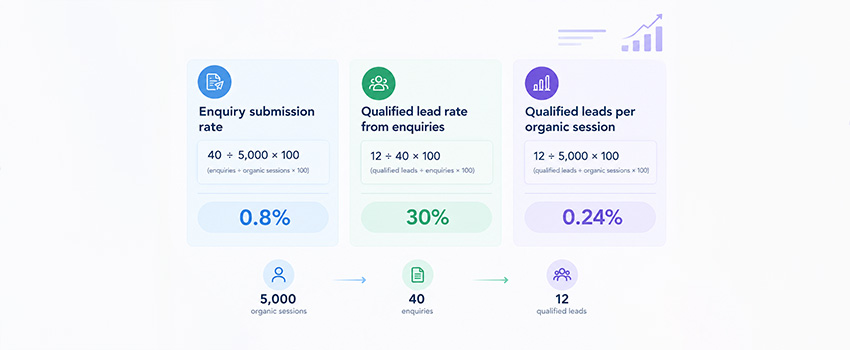
Although outsourcing offers several advantages, it also introduces risks that businesses should consider before signing an agreement.
1. Insufficient Understanding of Your Business
An agency may initially have limited knowledge of the company’s products, customers, and competitive positioning.
Without proper onboarding, campaigns may communicate generic messages that fail to address actual customer needs.
How to reduce the risk: Provide a detailed business brief, customer information, brand guidelines, sales insights, and access to relevant internal experts. The agency should also ask detailed questions before recommending a strategy.
2. Limited Transparency and Unclear Reporting
Some businesses receive monthly reports containing impressions, clicks, website traffic, and engagement figures without understanding whether these activities contribute to commercial objectives.
How to reduce the risk: Agree on reporting frequency, business objectives, KPIs, deliverables, and communication arrangements before work begins.
Reports should connect marketing activity to meaningful outcomes such as qualified leads, enquiries, sales opportunities, and revenue contribution.
3. Dependence on an External Provider
When a company outsources its marketing activities, it may become dependent on the agency for campaign knowledge, technical implementation, reporting, and account management.
This can make changing providers difficult.
How to reduce the risk: Retain ownership and administrative control of essential business assets, including:
- Website domains and hosting accounts.
- Google Ads accounts.
- Google Analytics and Search Console.
- Social media business accounts.
- Customer and lead databases.
- Creative files and brand assets.
- Marketing data and reporting documentation.
An agency should receive appropriate access to perform its work, but the company should retain control over its own assets.
4. Unclear Responsibilities and Expectations
Problems can arise when an agreement does not clearly define deliverables, approval processes, communication expectations, or responsibility for performance.
For example, a company may expect qualified enquiries while the agency’s contract only covers content production and website traffic growth.
How to reduce the risk: Define the scope of work in measurable terms. Specify responsibilities, deliverables, excluded services, reporting expectations, approval procedures, and how additional work will be handled.
5. Data Security, Confidentiality, and Intellectual Property
Outsourcing can involve giving external providers access to customer information, website systems, advertising accounts, analytics platforms, and internal business materials.
This creates responsibilities that should be addressed before cooperation begins.
Businesses should establish:
- Confidentiality agreements covering sensitive business information.
- Appropriate access permissions and authentication requirements.
- Clear rules for storing, transferring, and processing customer data.
- Ownership of content, creative materials, campaign data, and other deliverables.
- Approval requirements for subcontractors or additional service providers.
- Procedures for returning or deleting data when cooperation ends.
For companies subject to the EU General Data Protection Regulation (GDPR), the distinction between a data controller and a data processor is particularly important.
A business generally remains responsible for determining why and how its customers’ personal data is processed. Where an external agency acts as a processor, the relationship must be governed by an appropriate binding agreement specifying relevant responsibilities, including confidentiality, security, permitted processing, and the handling of data after the service ends.
The European Data Protection Board provides guidance on these responsibilities and what a controller-processor contract should include.
The exact contractual and regulatory requirements depend on the parties’ roles, jurisdictions, and processing activities. Businesses should obtain appropriate legal advice when handling regulated or sensitive information.
6. Choosing an Agency Based Only on Price
A low monthly fee may look attractive, but it does not necessarily reflect the provider’s expertise or the resources involved.
How to reduce the risk: Evaluate relevant experience, case studies, proposed strategy, team structure, reporting methods, and communication quality rather than comparing prices alone.
How Web Dominance Can Support Your Business's Digital Marketing
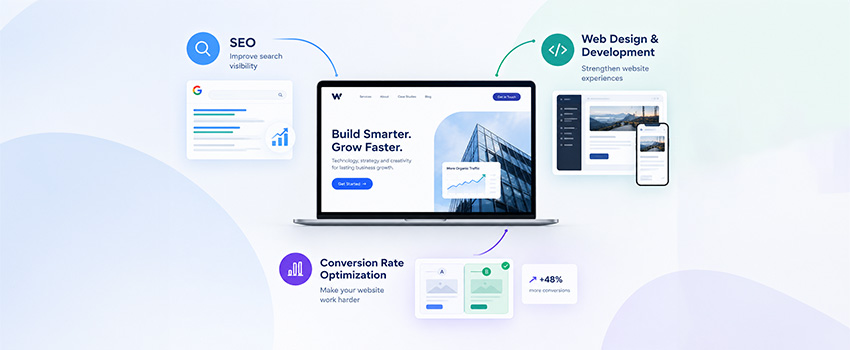
Choosing between outsourcing and hiring in-house is ultimately about finding the right way to access marketing expertise.
Web Dominance is a full-service digital marketing agency working with local and international businesses. Its published services include marketing strategy, audit and consultancy, web design and development, SEO, content marketing, social media marketing, PPC advertising, conversion rate optimization, and branding and design.
This allows businesses to access several marketing disciplines without necessarily recruiting a separate employee for every function.
Explore Web Dominance’s digital marketing services.
The agency’s published portfolio also demonstrates how specialist marketing activities can be coordinated according to different business requirements.
Effective outsourcing begins with understanding the company’s commercial objectives.
Before recommending specific services, a marketing partner should evaluate the current situation, identify opportunities, and determine which activities deserve priority.
For one business, the immediate need may be an SEO strategy. Another may require a website redesign and improved conversion paths. A third may benefit from coordinated PPC, content, and social media campaigns.
Web Dominance’s marketing strategy and consultancy services cover market analysis, planning, implementation, and reporting.
The agency’s broader service portfolio can support businesses at different stages of their marketing development, whether they need help with one specialist discipline or a coordinated set of activities.
The objective should not be to outsource as many tasks as possible. It should be to build a marketing structure that provides the expertise, consistency, and accountability needed to reach business goals.
Choose the Marketing Structure That Supports Your Business Goals
There is no universal answer to whether a business should outsource digital marketing or hire an in-house team.
Outsourcing is often the more practical choice when a company needs multiple specialist capabilities, wants to reduce recruitment requirements, or requires flexible marketing resources.
Hiring internally makes sense when marketing activities demand deep business knowledge, daily coordination, and a consistent workload that justifies permanent employees.
For many growing companies, a hybrid approach offers the most practical balance: retain strategic direction, customer knowledge, and decision-making internally while working with external specialists for execution and additional expertise.
The most important consideration is not where marketing employees work. It is whether the business has the right people, skills, processes, and resources to turn marketing investment into measurable business value.
Web Dominance helps businesses develop and execute digital marketing strategies through coordinated services covering strategy, SEO, website development, content, paid advertising, social media, branding, and conversion optimization.
Not sure whether your business needs an in-house marketing team, an external agency, or a combination of both? Web Dominance can help assess your current marketing capabilities, identify gaps, and develop a strategy aligned with your business objectives.
Contact Web Dominance to discuss your marketing requirements.